
Blog

If you live with diabetes, you may have experienced it: your blood sugar looks fine, you eat a meal, and suddenly your glucose levels climb much higher than expected. Blood sugar spikes can be frustrating, especially when you feel like you are doing everything right. The truth is that glucose levels are affected by much more than simply how much sugar you eat. Carbohydrates, medication, physical activity, stress, illness, hormones, and even the timing of meals can all influence blood sugar. Understanding blood sugar spikes can help you recognize patterns and have more productive conversations with your diabetes care team. It can also help you make informed decisions about meals, activity, and glucose monitoring. Important: This article provides general educational information and is not a substitute for individualized medical advice. Your blood sugar targets and treatment plan should come from your healthcare professional.
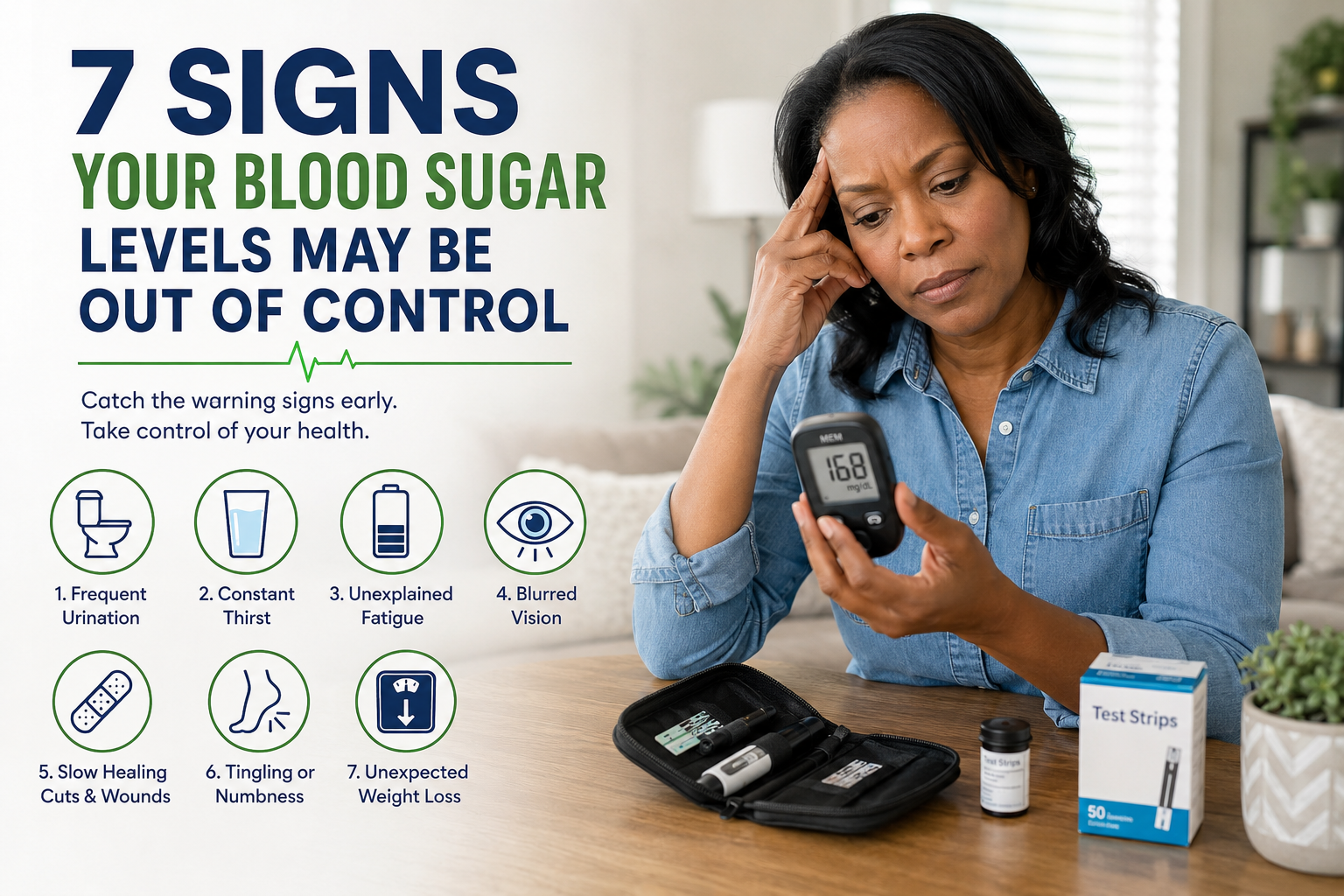
Worried your blood sugar is out of control? Discover 7 key warning signs, what they mean, and how to take action before serious complications develop.