7 Signs Your Blood Sugar Levels May Be Out of Control (And What to Do Next)
Introduction: Why Blood Sugar Control Matters More Than You Think
If you’re living with diabetes, you already know that managing your blood sugar isn’t optional—it’s essential. But here’s the reality: blood sugar levels don’t always spiral out of control overnight. Often, your body sends warning signs long before things become dangerous.
As a diabetic supplies buyer working closely with people across Metro Atlanta, we regularly meet individuals who didn’t realize their glucose levels were off until symptoms became disruptive—or even alarming. The good news? Recognizing the early signs can help you take action before serious complications develop.
In this guide, we’ll break down 7 key signs your blood sugar levels may be out of control, explain what’s happening inside your body, and outline practical next steps to regain control.
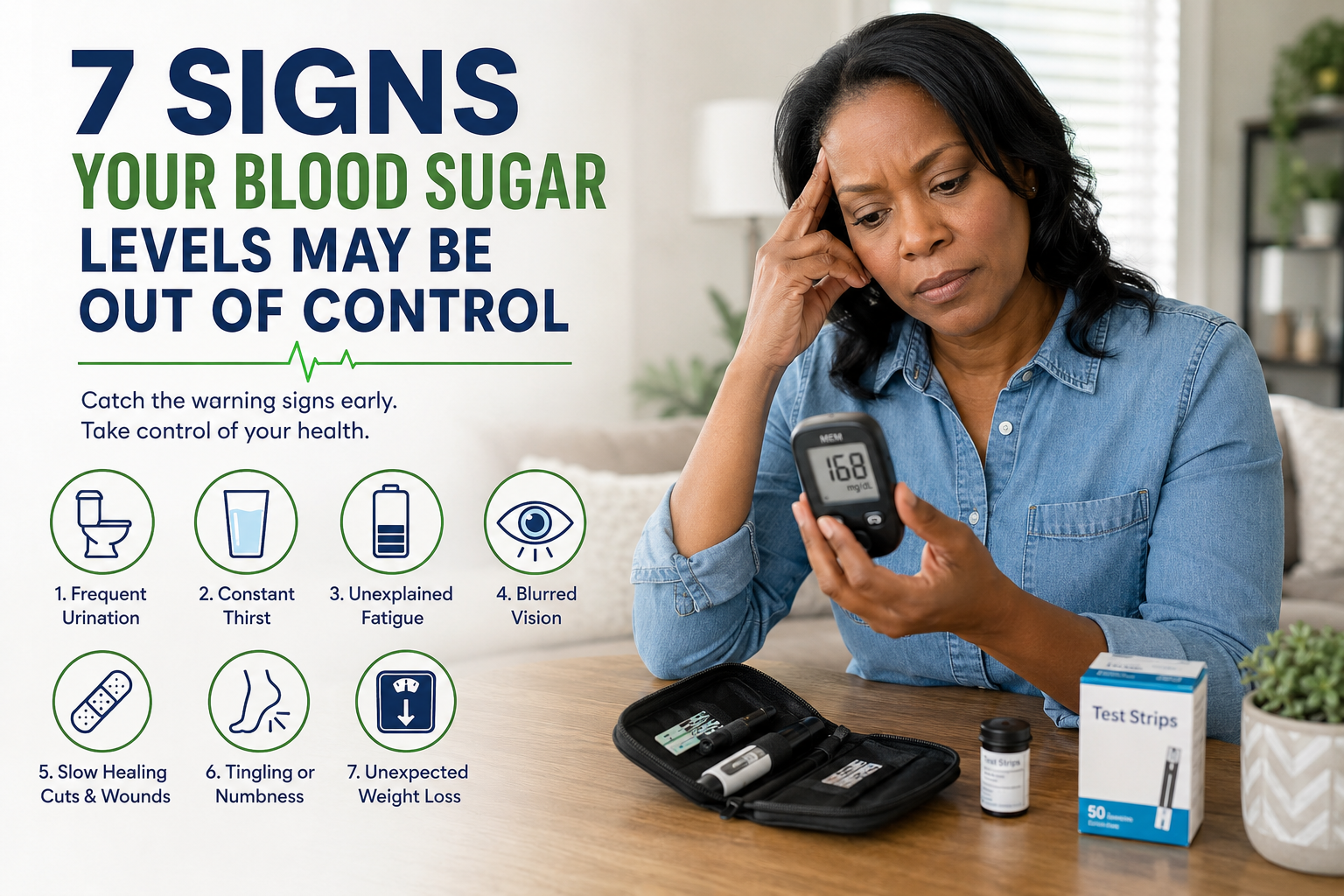
1. Frequent Urination (Polyuria)
One of the earliest and most common signs of high blood sugar is needing to urinate more often than usual—especially at night.
Why it happens:
When glucose builds up in your bloodstream, your kidneys work overtime to remove the excess sugar. This process pulls fluids from your tissues, leading to increased urination.
What to watch for:
- Waking up multiple times at night to urinate
- Larger-than-normal urine volume
- Sudden increase in frequency
2. Constant Thirst (Polydipsia)
If you feel like you can’t quench your thirst—no matter how much water you drink—your blood sugar may be elevated.
The connection:
Frequent urination causes dehydration, which triggers your body’s thirst response. This creates a cycle: more urination → more thirst → more fluid loss.
Red flag:
If you’re drinking significantly more fluids than usual but still feel dehydrated, it’s time to check your glucose levels.
3. Unexplained Fatigue
Feeling tired occasionally is normal—but persistent fatigue can signal unstable blood sugar.
What’s happening:
Your body relies on glucose for energy. When insulin isn’t working properly, glucose stays in your bloodstream instead of entering your cells. The result? Your body feels like it’s running on empty.
Key indicators:
- Low energy even after rest
- Difficulty concentrating
- Feeling sluggish throughout the day
4. Blurred Vision
Vision changes can be one of the more surprising symptoms of fluctuating blood sugar.
Why it occurs:
High glucose levels can cause fluid shifts in the eyes, affecting the shape of your lens and your ability to focus.
Important note:
Blurred vision due to blood sugar is often temporary—but repeated episodes can lead to long-term damage if left unmanaged.
5. Slow Healing Cuts and Wounds
If minor cuts or bruises are taking longer than usual to heal, your blood sugar may be too high.
The science behind it:
Elevated glucose levels impair circulation and weaken your immune response. This makes it harder for your body to repair tissue and fight infections.
Watch for:
- Cuts that linger for weeks
- Frequent infections
- Skin irritation or inflammation
6. Tingling or Numbness in Hands and Feet
This symptom may indicate nerve damage (diabetic neuropathy), often linked to prolonged high blood sugar.
Early signs:
- Tingling sensations
- Burning or sharp pain
- Loss of sensation in extremities
Why it matters:
Nerve damage can become permanent if not addressed early. Monitoring and controlling blood sugar is critical to preventing progression.
7. Unexpected Weight Loss
Losing weight without trying might sound like a benefit—but in diabetes, it can be a warning sign.
What’s going on:
When your body can’t use glucose for energy, it starts breaking down fat and muscle instead.
Key takeaway:
Unintentional weight loss—especially alongside other symptoms—should never be ignored.
Real-World Example (EEAT)
A local Metro Atlanta resident noticed increased thirst and fatigue but assumed it was due to a busy schedule. Over time, they began experiencing blurred vision and frequent urination. After checking their glucose levels, they discovered consistently high readings.
By adjusting their routine, monitoring levels regularly, and staying consistent with supplies, they were able to bring their blood sugar back under control within weeks.
What Causes Blood Sugar to Get Out of Control?
Understanding the root cause is just as important as recognizing the symptoms.
Common triggers:
- Skipping or mismanaging medication
- Poor diet (high sugar or refined carbs)
- Lack of physical activity
- Stress and illness
- Inconsistent monitoring
How to Regain Control of Your Blood Sugar
1. Monitor Regularly
Frequent testing helps you identify patterns and make informed decisions.
2. Follow a Structured Meal Plan
Focus on balanced meals with:
- Lean protein
- Fiber-rich foods
- Controlled carbohydrate intake
3. Stay Active
Even light daily activity can improve insulin sensitivity.
4. Use Reliable Supplies
Accurate readings depend on quality testing supplies. Expired or inconsistent tools can lead to misleading results.
Related Questions People Ask (Semantic SEO)
What is considered dangerously high blood sugar?
Generally, readings above 300 mg/dL are considered dangerous and require immediate attention.
Can blood sugar levels fluctuate daily?
Yes, levels can change throughout the day based on food, activity, stress, and medication.
How quickly can blood sugar levels improve?
With proper management, improvements can happen within days—but consistency is key.
What are symptoms of low blood sugar?
Low blood sugar (hypoglycemia) can cause:
- Shakiness
- Sweating
- Confusion
- Rapid heartbeat
Final Thoughts: Don’t Ignore the Warning Signs
Your body is constantly communicating with you. The symptoms listed above are not random—they’re signals that something needs attention. Ignoring them can lead to serious complications, including nerve damage, vision loss, and cardiovascular issues. But catching them early puts you in control.
If you’ve recently improved your blood sugar control and have unused or extra diabetic supplies sitting at home, don’t let them go to waste.
As a trusted diabetic supplies buyer in Metro Atlanta, we help individuals turn unused supplies into cash—quickly and safely, with local meetups and on-the-spot payment.
Take control of your health—and your extra supplies—today.