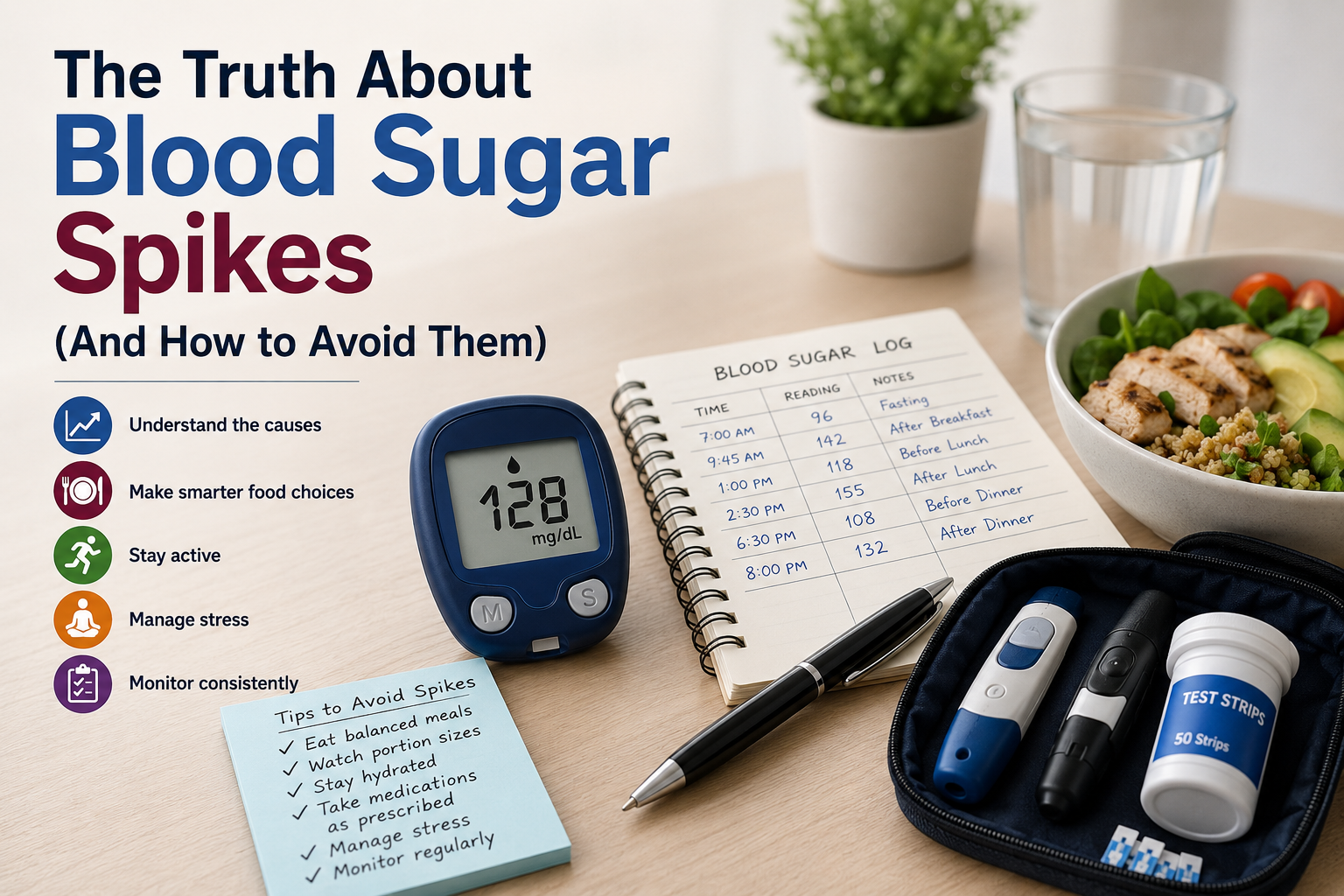
The Truth About Blood Sugar Spikes (And How to Avoid Them)
If you live with diabetes, you may have experienced it: your blood sugar looks fine, you eat a meal, and suddenly your glucose levels climb much higher than expected.
Blood sugar spikes can be frustrating, especially when you feel like you are doing everything right. The truth is that glucose levels are affected by much more than simply how much sugar you eat. Carbohydrates, medication, physical activity, stress, illness, hormones, and even the timing of meals can all influence blood sugar.
Understanding blood sugar spikes can help you recognize patterns and have more productive conversations with your diabetes care team. It can also help you make informed decisions about meals, activity, and glucose monitoring.
Important: This article provides general educational information and is not a substitute for individualized medical advice. Your blood sugar targets and treatment plan should come from your healthcare professional.
What Is a Blood Sugar Spike?
A blood sugar spike is a rapid or significant increase in blood glucose, often occurring after eating. Some rise in blood sugar after a meal is completely normal because carbohydrates are broken down into glucose and released into the bloodstream.
For people with diabetes, however, the body may not produce enough insulin or may not use insulin effectively. As a result, glucose can remain in the bloodstream longer and rise higher than intended.
The American Diabetes Association generally lists a blood glucose target of less than 180 mg/dL 1–2 hours after the beginning of a meal for many nonpregnant adults with diabetes, although individual targets can differ.
The important point is that one high reading doesn't necessarily mean your diabetes management is failing. Patterns over time are much more useful.
What Causes Blood Sugar Spikes?
There isn't always one simple answer. Several factors can contribute to high blood sugar levels.
1. Eating More Carbohydrates Than Your Body Can Handle
Carbohydrates have a particularly strong effect on blood glucose because they are converted into glucose during digestion.
Foods such as bread, rice, pasta, potatoes, sweets, sugary drinks, and desserts can raise blood sugar. But that doesn't mean people with diabetes need to eliminate carbohydrates entirely.
The amount and type of carbohydrate, portion size, fiber content, and what you eat with the carbohydrate can all influence your glucose response.
2. Refined Carbohydrates and Sugary Drinks
Some carbohydrates are digested more quickly than others. Highly refined foods and sugar-sweetened beverages can produce a faster rise in blood glucose.
For example, drinking regular soda can deliver a substantial amount of carbohydrate quickly without the fiber and structure found in many whole foods.
Choosing minimally processed carbohydrate sources and pairing them with protein, healthy fats, and fiber may help create a more gradual glucose response.
3. Medication Timing or Dosage
For people who use insulin or other glucose-lowering medications, medication timing can have a major effect on blood sugar.
A meal containing more carbohydrates than expected, a missed medication dose, or an incorrect insulin-to-carbohydrate calculation can contribute to high glucose.
Never change your insulin or medication dose based solely on an online article. Medication adjustments should be discussed with your healthcare professional.
4. Stress and Illness
Your blood sugar can rise even when you haven't eaten anything unusual.
Stress and illness can affect hormones that influence glucose levels. The American Diabetes Association identifies stress, infection or illness, medication effects, inactivity, and hormonal changes among factors that can cause blood glucose to rise.
That's one reason a high reading doesn't automatically mean you made a mistake.
5. Physical Inactivity
Physical activity can affect how your body uses glucose. Being less active than usual may contribute to higher blood sugar levels.
However, exercise isn't simply a matter of "seeing a high number and working it off." If blood glucose is very high, particularly when ketones are present, exercise can sometimes make the situation worse. The ADA recommends checking for ketones when glucose is above 240 mg/dL in applicable situations and avoiding exercise if ketones are present.
How to Avoid Blood Sugar Spikes
There is no single food, supplement, or trick that prevents every glucose spike. Instead, focus on identifying the factors that consistently affect your blood sugar.
Build Balanced Meals
Rather than focusing exclusively on eliminating sugar, pay attention to your overall carbohydrate intake and the composition of your meals.
A balanced meal may include:
- A reasonable portion of carbohydrates
- Protein
- Non-starchy vegetables
- Fiber-rich foods
- Healthy sources of fat
The goal isn't necessarily to eliminate carbohydrates. It's to understand how different foods and portions affect your glucose levels.
Pay Attention to Portion Sizes
Even foods considered "healthy" can raise blood sugar when eaten in large quantities.
If you notice that certain meals repeatedly produce large glucose increases, consider discussing your food choices and portions with a registered dietitian or diabetes care and education specialist.
Monitor Your Blood Sugar Consistently
Glucose monitoring can reveal patterns that you might otherwise miss.
For example, you may discover that your blood sugar consistently rises after breakfast but not after lunch, or that a particular dinner produces elevated glucose for several hours.
Keeping track of glucose readings along with meals, activity, stress, and other relevant factors can help you and your healthcare team identify patterns.
If you use a continuous glucose monitor (CGM), the trend information can provide an even broader picture of how your glucose changes throughout the day.
Don't Ignore Your Morning Blood Sugar
Some people experience consistently elevated glucose levels in the morning even when they haven't eaten.
This can happen because of the dawn phenomenon, a natural rise in hormones that can cause the liver to release additional glucose during the early morning hours. Other causes can include medication timing or elevated glucose that was already present overnight.
Instead of guessing, look for patterns in your glucose data and discuss persistent morning highs with your healthcare provider.
Real-World Example: Why One High Reading Doesn't Tell the Whole Story
Imagine someone with diabetes checks their glucose before dinner and gets a reading within their usual target range.
They eat a large pasta dinner with bread and a sweetened beverage. Two hours later, their glucose is significantly higher.
It would be easy to conclude, "I ate too much sugar."
But the bigger picture may be more complicated.
The meal contained several significant sources of carbohydrates. Portion size, the type of carbohydrates, medication timing, physical activity, stress, and the person's individual insulin response may all have contributed.
If the same pattern happens repeatedly, those readings become useful information—not a reason for guilt.
This is where consistent glucose monitoring can be valuable. Instead of judging yourself based on one number, look for patterns that you can discuss with your diabetes care team.
What About Blood Sugar Spikes After Exercise?
Exercise can have different effects on blood glucose depending on the type and intensity of activity, medication, food intake, and individual physiology.
For some people, physical activity helps lower glucose. For others, particularly during certain types of intense exercise, glucose may temporarily rise.
If you use insulin or medications that can cause hypoglycemia, exercise can also increase the risk of low blood sugar.
That's why your exercise strategy should be individualized rather than based on a generic rule that exercise will always lower glucose.
When Should High Blood Sugar Concern You?
Occasional elevated readings can happen. But frequent or persistent high blood glucose deserves attention.
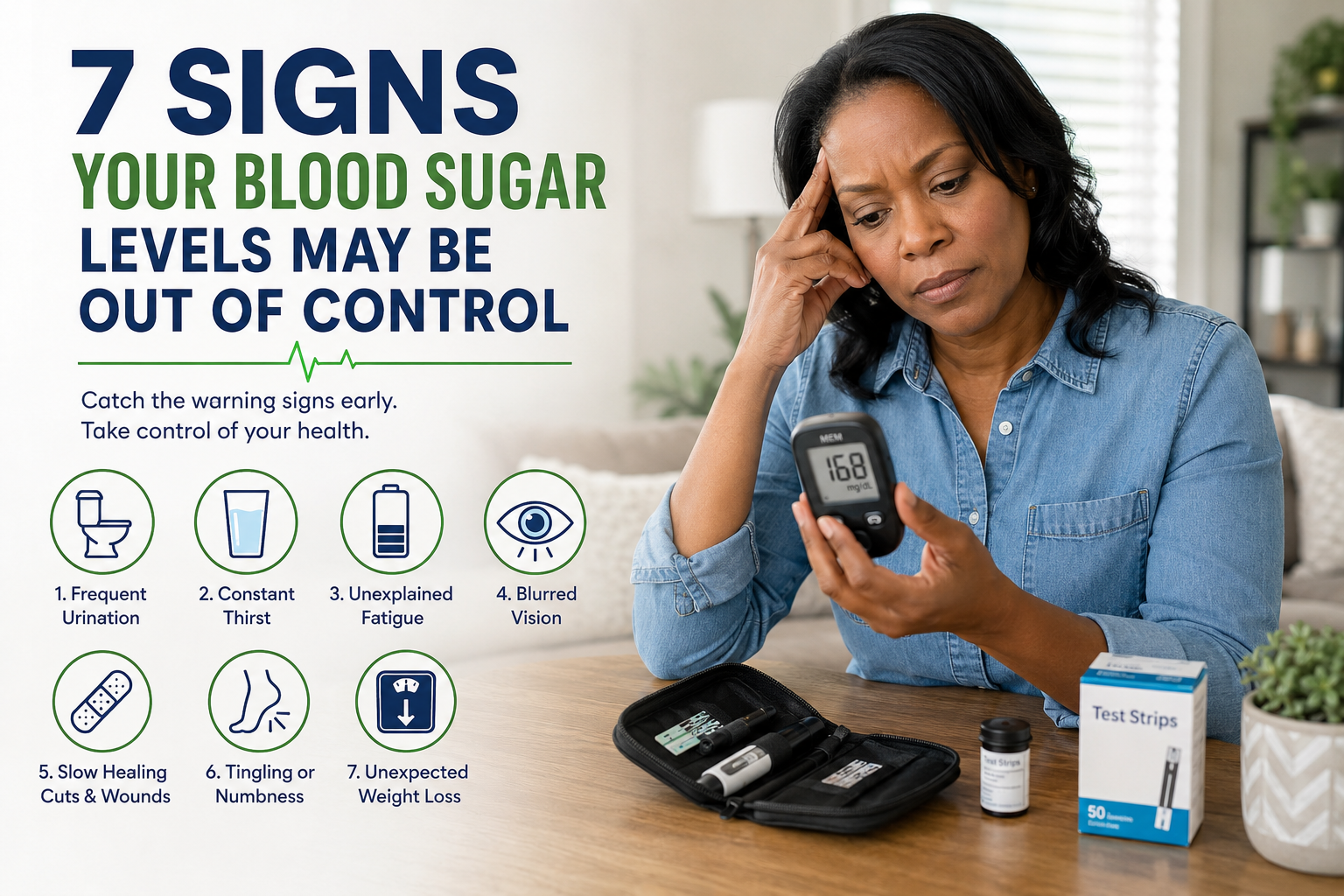
Common symptoms of hyperglycemia can include increased thirst, frequent urination, fatigue, and blurred vision.
Very high glucose combined with symptoms such as vomiting, difficulty breathing, fruity-smelling breath, severe fatigue, confusion, or fainting can indicate a medical emergency such as diabetic ketoacidosis (DKA).
If you're experiencing these symptoms, seek urgent medical care.
Blood Sugar Spikes vs. Low Blood Sugar
Managing diabetes isn't simply about preventing high blood sugar.
Trying too aggressively to correct a high reading can sometimes contribute to low blood sugar, particularly for people taking insulin or certain diabetes medications.
For many people with diabetes, blood glucose below 70 mg/dL is considered low, although individual treatment plans may differ.
This is why diabetes management is about balance—not simply keeping your glucose as low as possible.
Frequently Asked Questions About Blood Sugar Spikes
What causes blood sugar to spike suddenly?
Blood sugar can rise because of carbohydrates, large meals, medication issues, inactivity, stress, illness, hormonal changes, or other factors. Identifying what happened immediately before a spike can help reveal patterns.
How high should blood sugar be after eating?
For many nonpregnant adults with diabetes, the ADA lists a general target of less than 180 mg/dL 1–2 hours after the beginning of a meal. Your personal target may be different, so follow the range provided by your healthcare team.
Does eating sugar cause diabetes blood sugar spikes?
Sugar-containing foods can raise blood glucose, but blood sugar is affected by total carbohydrate intake, meal composition, insulin, medications, activity, stress, illness, and other factors. Diabetes management shouldn't be reduced to simply avoiding table sugar.
How can I lower my blood sugar quickly?
The safest response depends on your diabetes type, medications, current glucose level, ketone status, and individual treatment plan. Don't make medication changes based on general internet advice. If your glucose is very high or you have symptoms of DKA, seek medical attention.
Can stress cause blood sugar to rise?
Yes. Stress can affect hormones and contribute to elevated blood glucose. If you notice repeated glucose increases during stressful periods, discuss the pattern with your healthcare team.
Why is my blood sugar high in the morning?
Morning highs can have several causes, including the dawn phenomenon, medication timing, or glucose that was already elevated overnight. Looking at glucose patterns overnight can help your healthcare provider determine the likely cause.
The Bottom Line: Learn Your Blood Sugar Patterns
The truth about blood sugar spikes is that they aren't always caused by eating "too much sugar."
Glucose levels can be influenced by carbohydrates, portions, medication, physical activity, stress, illness, hormones, and individual differences in how your body responds to food.
The most useful approach is to look for patterns rather than panic over individual readings. Consistent glucose monitoring can give you and your healthcare team valuable information about what's happening throughout your day.
And if you have diabetes supplies at home that you no longer need because your treatment plan has changed, don't automatically throw them away.
Have Unused Diabetic Supplies?
As a diabetic supplies buyer serving Metro Atlanta, we help eligible individuals turn certain unused diabetic supplies into cash.
If you have unopened, unexpired diabetic supplies such as eligible glucose test strips, Dexcom supplies, Omnipod supplies, or other qualifying products, contact us to find out what may qualify.
For Metro Atlanta residents, local in-person service and payment on the spot may be available, making the process straightforward and convenient.
Have extra diabetic supplies taking up space? Call us today to learn whether your supplies qualify.